Repair job gallery
Life's too short for a bad setup. Check out some of the repairs, restorations, and setup work that brought these instruments back to life.
Problem. Diagnosis. Repair. Result.
Open any repair to see the rest of its bench photos and the story behind the work.
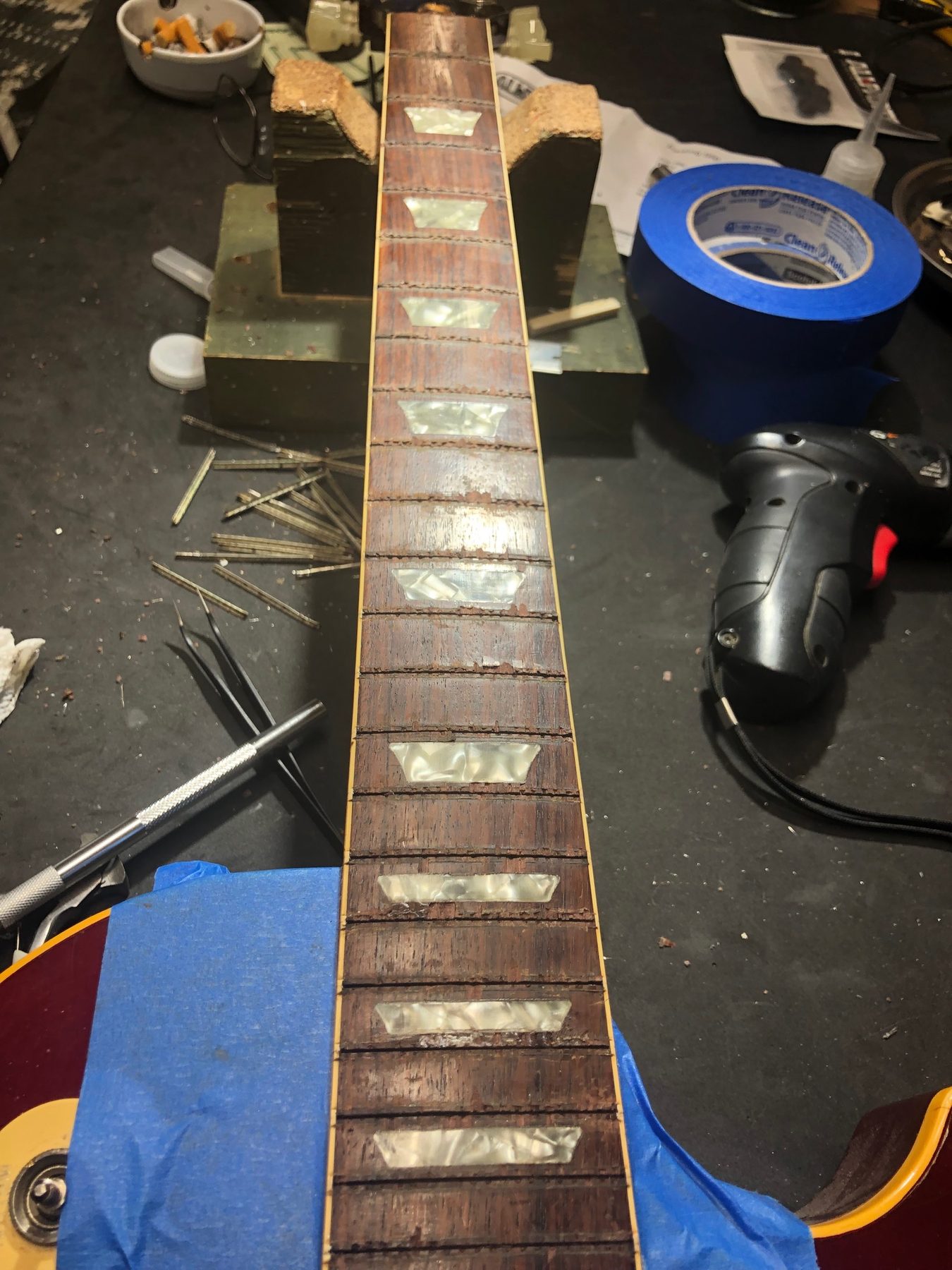
Setup and fretwork bench detail
Close-up repair-bench photo used to document playability issues, fret condition and setup work.
View full story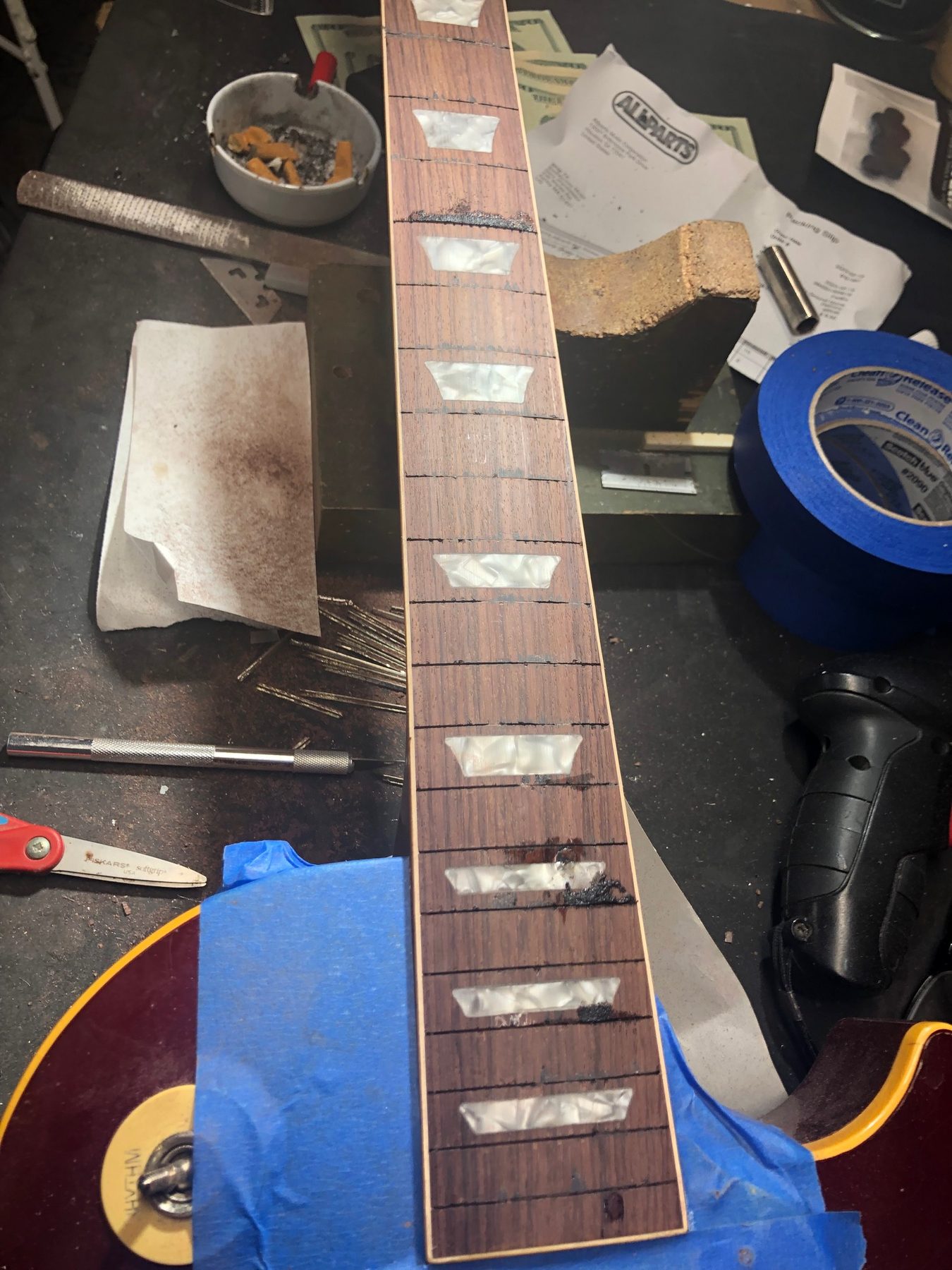
Fret and neck inspection
Bench documentation for checking whether a buzz is setup-related or coming from the fret surface.
View full story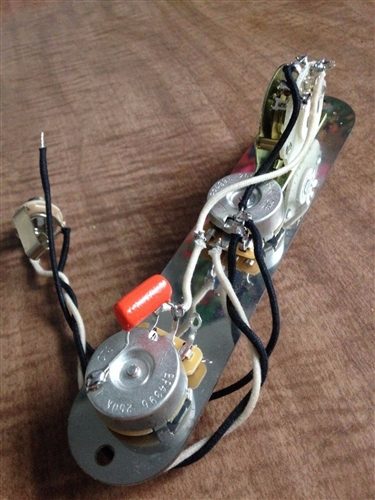
Tele wiring inspection
Control-cavity and wiring work for diagnosing signal problems, pickup changes and unreliable connections.
View full story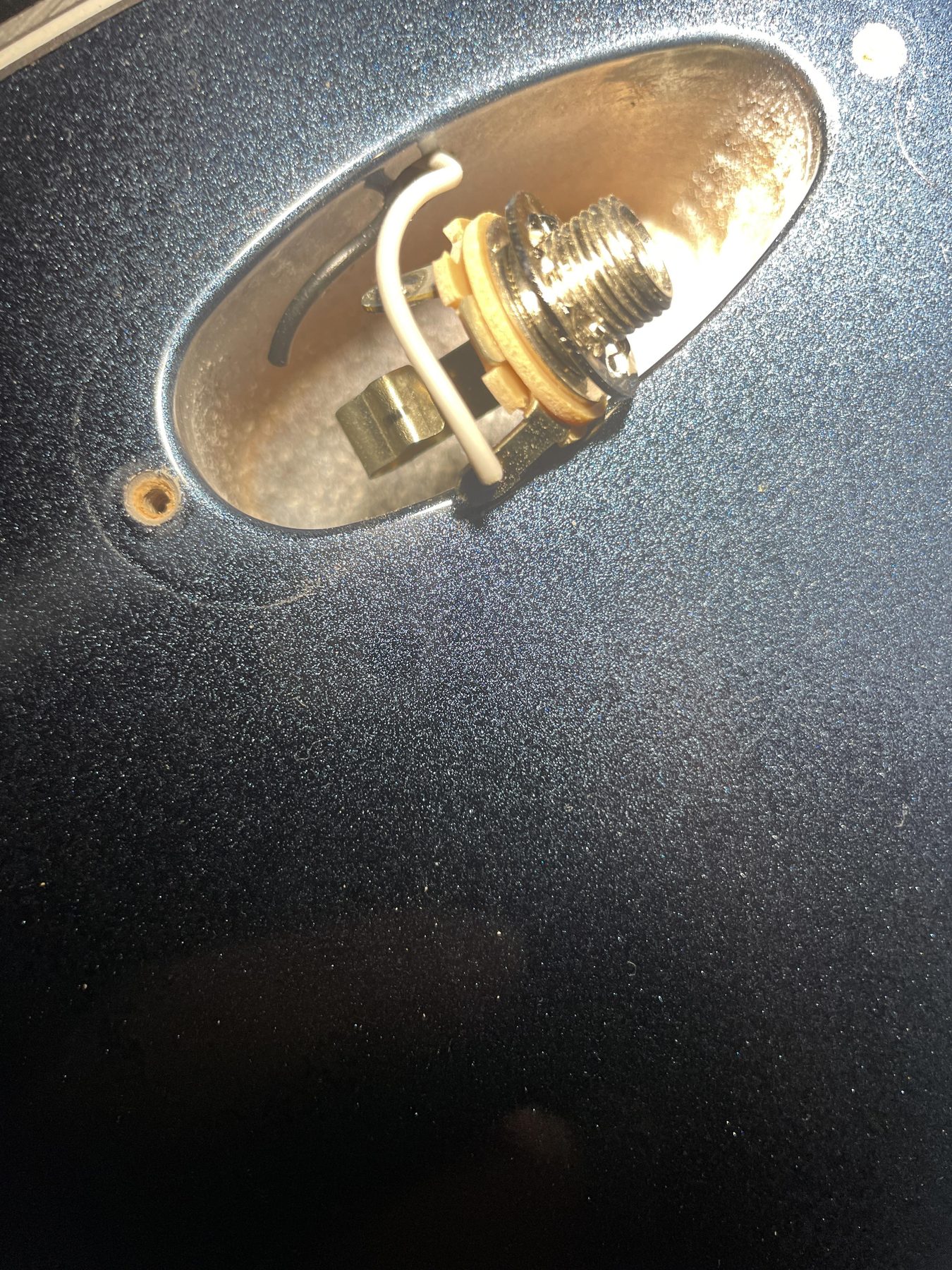
Broken jack wire diagnosis
A small wiring fault can become a no-signal failure. This is the kind of issue the bench documents before repair.
View full story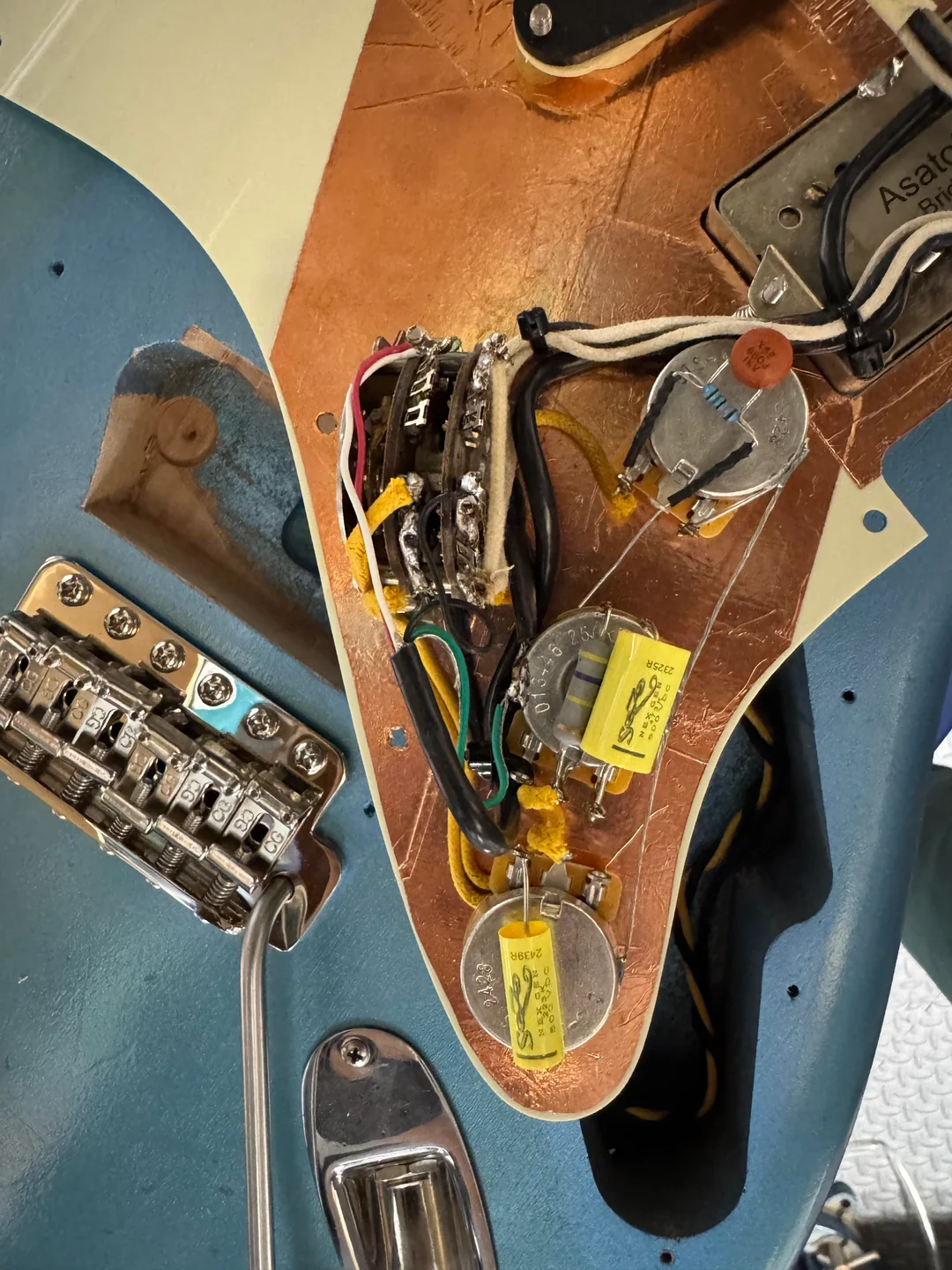
Cleaned-up wiring path
Repair work should make the signal path more reliable, easier to inspect and less likely to fail later.
View full story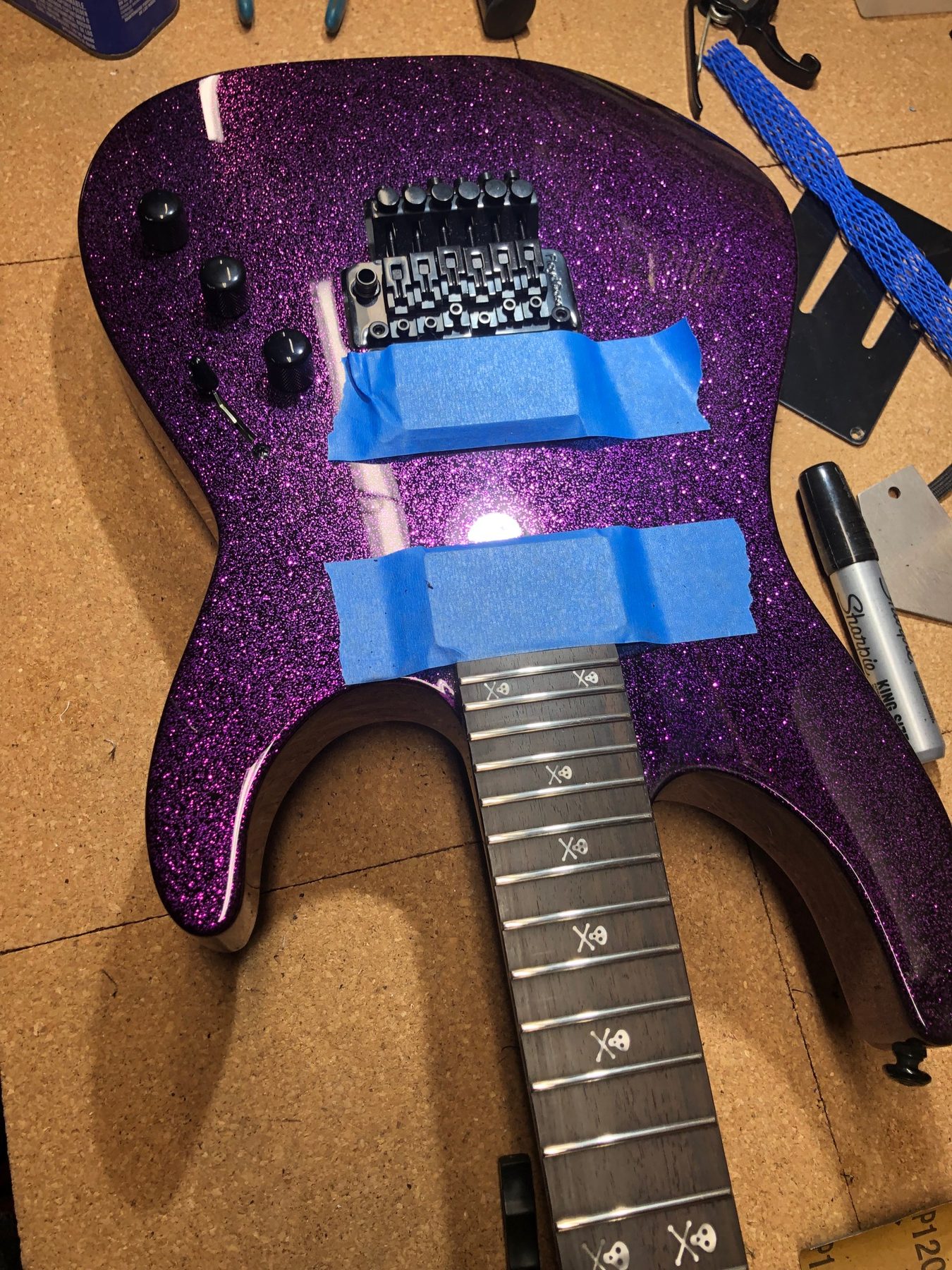
Hardware and setup inspection
Photos like this help show what the bench is actually evaluating before recommending the next repair step.
View full storyMore repair photos
Additional gallery items from the BadMonkey Music admin feed appear here when published.
Want your guitar on the bench?
Send photos, describe the problem, and include the instrument make/model, tuning and string gauge.
Ask About A Repair